Mathematical Methods in Image Processing under Uncertainty (MAMIPU)
Science fund of the Republic of Serbia
Project Description
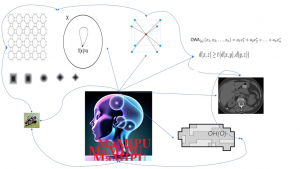
The project “Mathematical Methods in Image Processing under Uncertainty” consists of three main research directions related to related to image analysis, digital topology, fuzzy metrics, optimization techniques, and bioinformatics.
1. Computational and Digital Geometry and Topology
This part of the project focuses on computational and digital geometry and topology in the context of image analysis and processing. The research includes:
Novel algorithms for moments computation
Detecting and drawing non-self-crossing digital curves
Improving the performance of existing 2D image repairing algorithms
Computation of orthogonal hulls of 2D images
Applications of persistent homology
Investigation of the fixed point property (FPP) in digital geometry and topology
2. Fuzzy Metrics, Fuzzy Shapes, and Image Processing
This research direction studies fuzzy distances, fuzzy shapes, and aggregation-based methods. The main topics include:
Construction and analysis of fuzzy metrics using aggregation functions
Development of new classes of fuzzy shapes and descriptors
Theoretical and empirical analysis of associated measures
Applications in image compression using fixed point theory in fuzzy metric spaces
3. Hybrid Models, Optimization, and Bioinformatics
The third part of the project investigates hybrid intelligent systems and optimization techniques. It includes:
Hybrid models for uncertainty handling in image segmentation
Design and implementation of Bee Colony Optimization (BCO) algorithms
Learning-based clustering methods
Optimization of neural networks on bioinformatics data
The experimental verification of the results relies on digital image datasets obtained from publicly available databases and authorized external sources.
Project in Media
prof. dr Nebojša Ralević
Project members
PI. dr Nebojša Ralević
Full professor
Faculty of Technical Sciences
University of Novi Sad
TM1. dr Tatjana Došenović
Full professor
Faculty of Technology
University of Novi Sad
TM2. dr Lidija Čomić
Full professor
Faculty of Technical Sciences
University of Novi Sad
TM3. dr Bratislav Iričanin
Associate professor
School of Electrical Engineering
University of Belgrade
TM4. dr Marija Paunović
Associate professor
Faculty of Hotel Menagement and Tourism
University of Kragujevac
TM5. dr Nataša Milosavljević
Associate professor
Faculty of Agriculture
University of Belgrade
TM6. dr Ljubo Nedović
Associate professor
Faculty of Technical Sciences
University of Novi Sad
TM7. dr Vladimir Ilić
Associate professor
Faculty of Technical Sciences
University of Novi Sad
TM8. dr Dejan Ćebić
Assistant professor
Faculty of Mining and Geology
University of Belgrade
TM9. Andrija Blesić
Teaching assistant
Faculty of Technical Sciences
University of Novi Sad
TM10. Đorđe Dragić
Teaching assistant
Faculty of Technical Sciences
University of Novi Sad
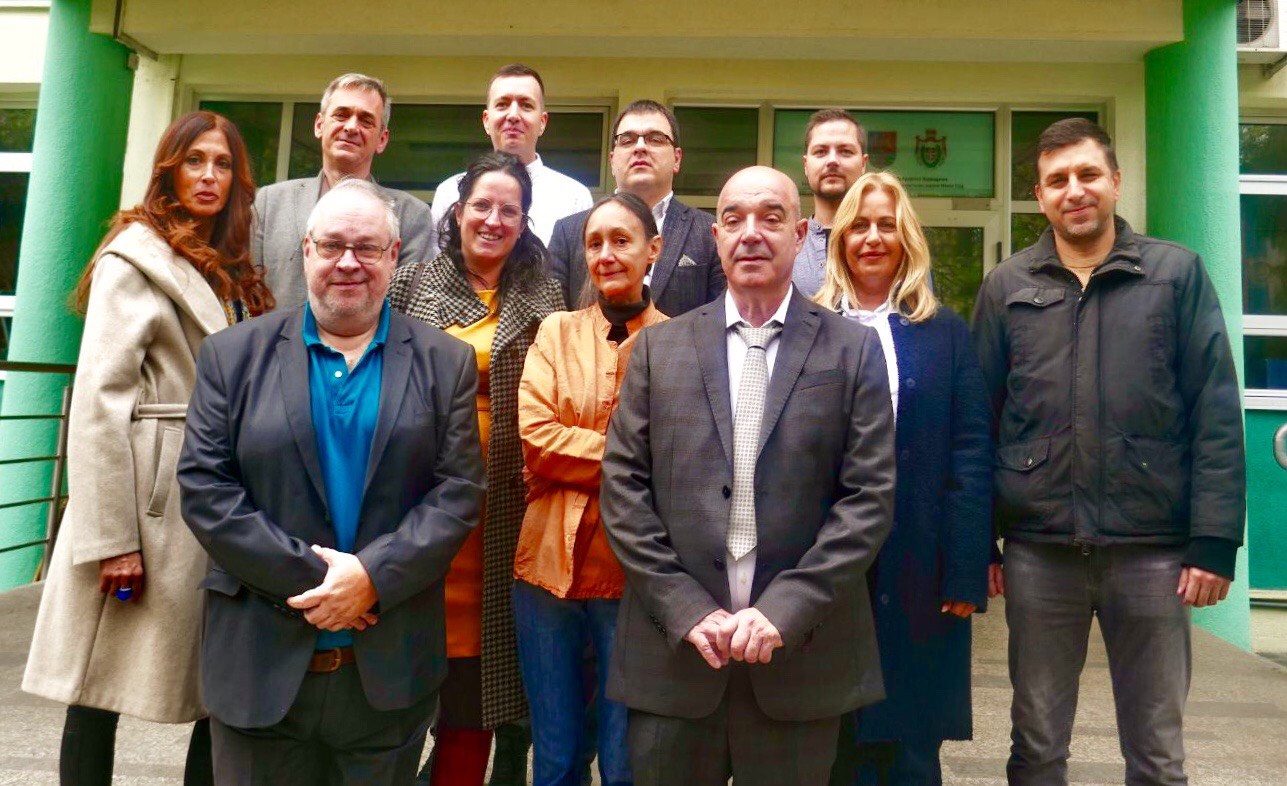
Project Kick-off Meeting
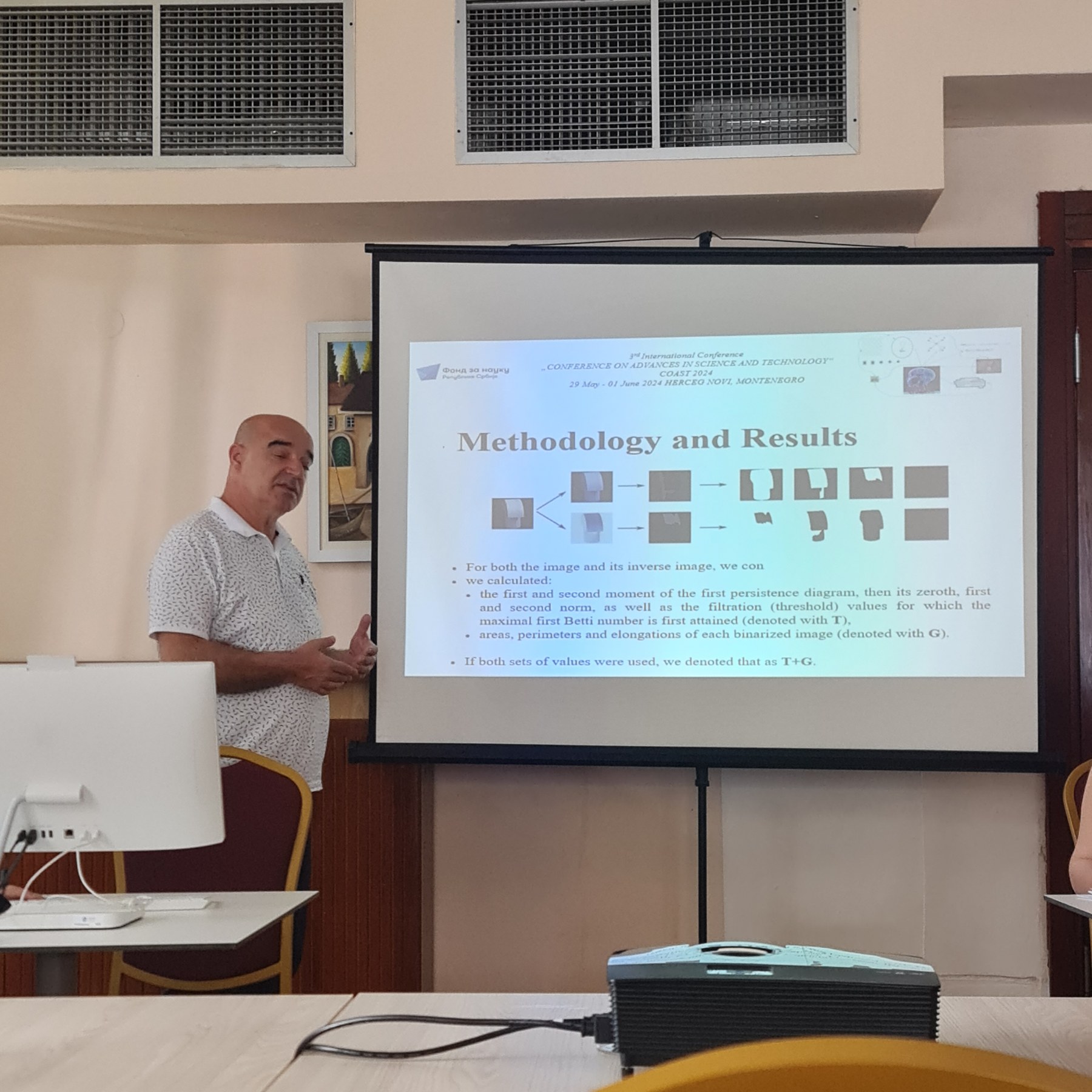
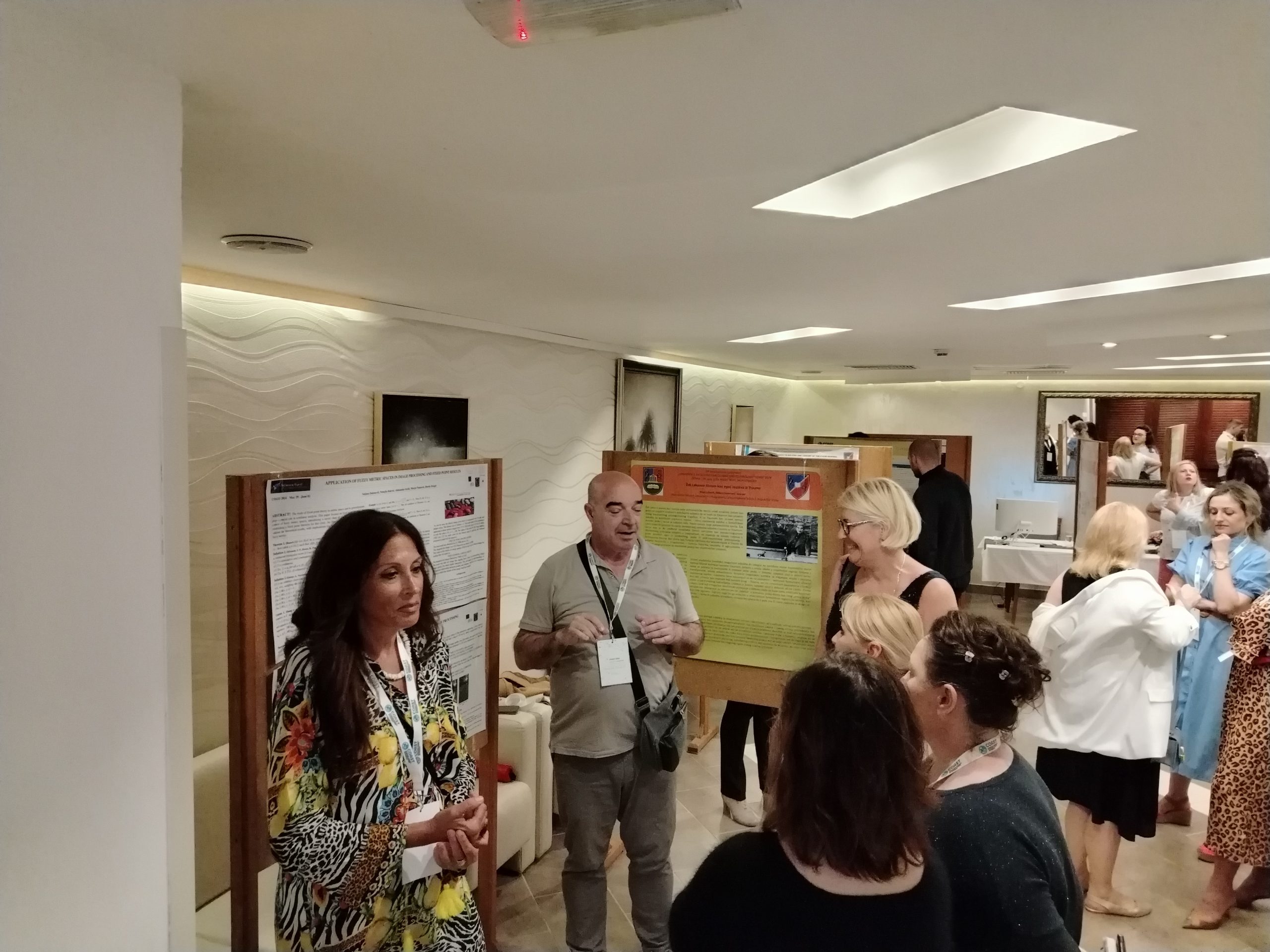
Conferences Activities
COAST 2024
Herceg Novi, Montenegro
May 29 – June 02
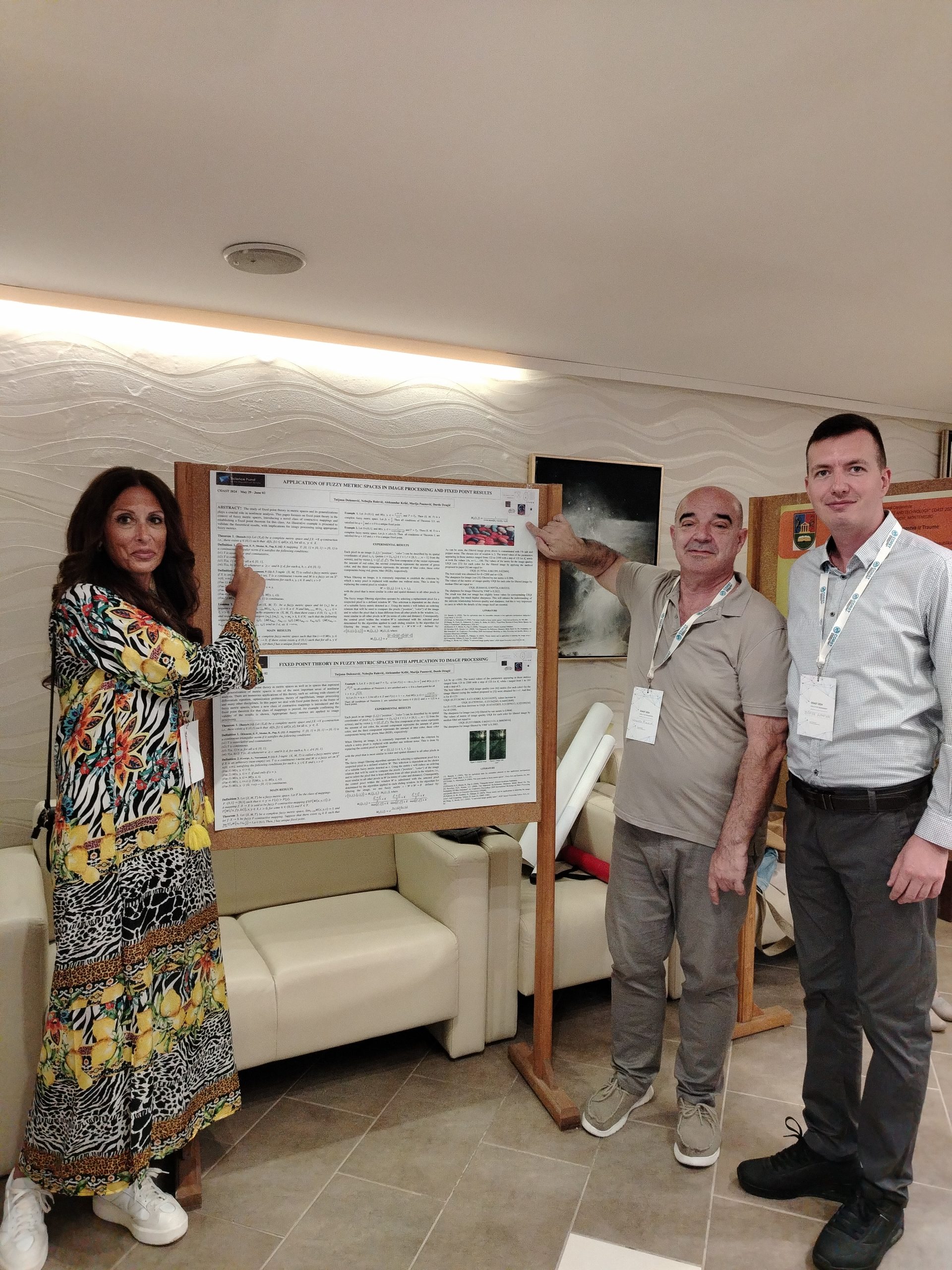
Title of Paper: FIXED POINT THEORY IN FUZZY METRIC SPACES WITH APPLICATION TO IMAGE PROCESSING
Authors: T. Došenović, N. Ralević, A. Kršić, M. Paunović, Đ. Dragić
Abstract: Fixed point theory in metric spaces as well as in spaces that represent the generalization of metric spaces is one of the most important areas of nonlinear analysis. There are numerous applications of this theory, such as: solving wide classes of differentials equation, optimization problems, theory of equilibrium, image processing and many other disciplines. In this paper we deal with fixed point theory in the frame of fuzzy metric spaces, where a new class of contractive mappings is introduced and the fixed point theorem for that class of mappings is proved. An example confirming the validity of the results is shown. Appropriate fuzzy metrics are applied to image processing.
Title of Paper: APPLICATION OF FUZZY METRIC SPACES IN IMAGE PROCESSING AND FIXED POINT RESULTS
Authors: T. Došenović, N. Ralević, A. Kršić, M. Paunović, Đ. Dragić
Abstract: The study of fixed point theory in metric spaces and its generalizations plays a crucial role in nonlinear analysis. This paper focuses on fixed point theory in the context of fuzzy metric spaces, introducing a novel class of contractive mappings and establishing a fixed point theorem for this class. An illustrative example is presented to validate the theoretical results, with implications for image processing using appropriate fuzzy metrics.
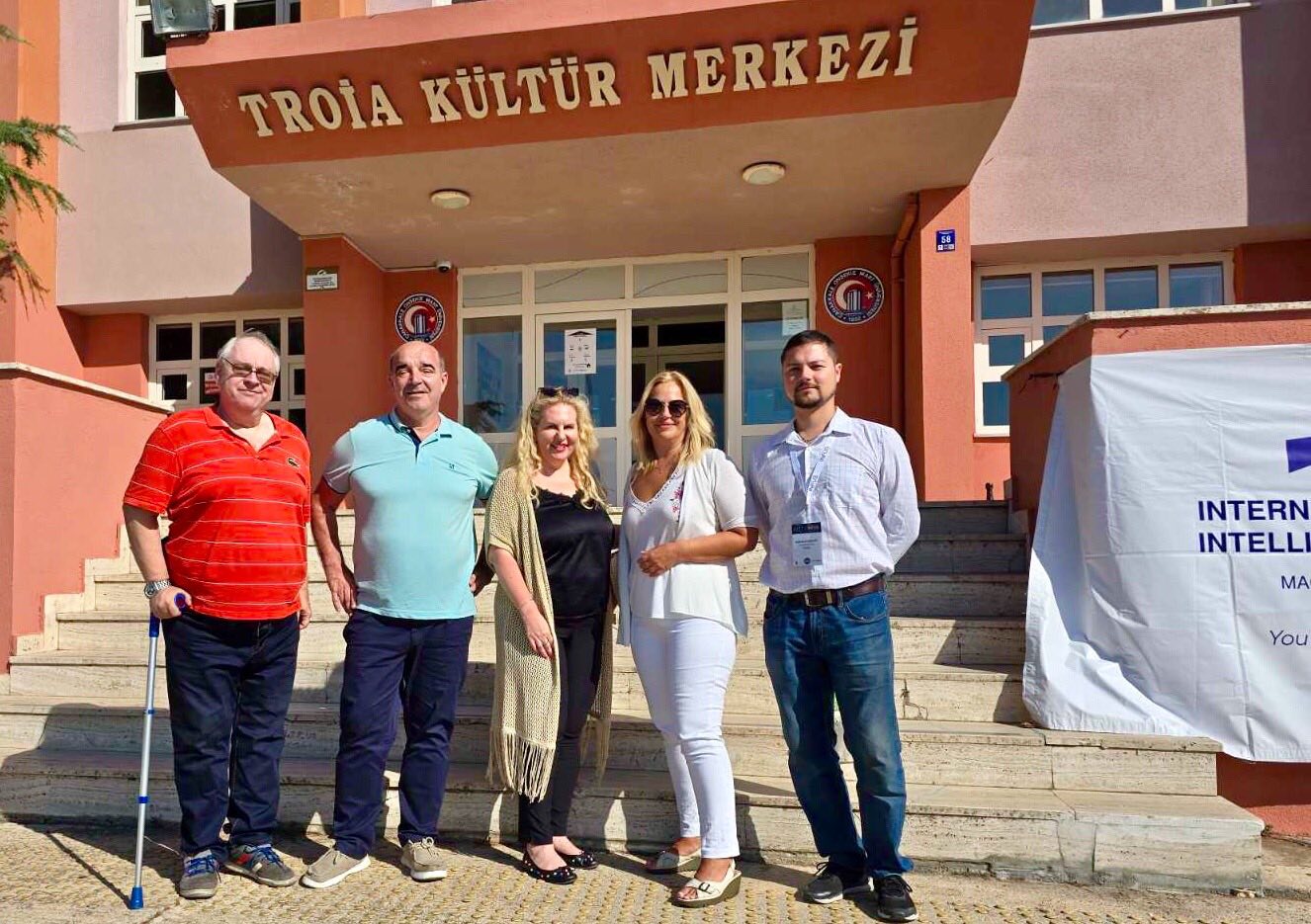
INFUS 2024
Istanbul, Turkey
July 16-18
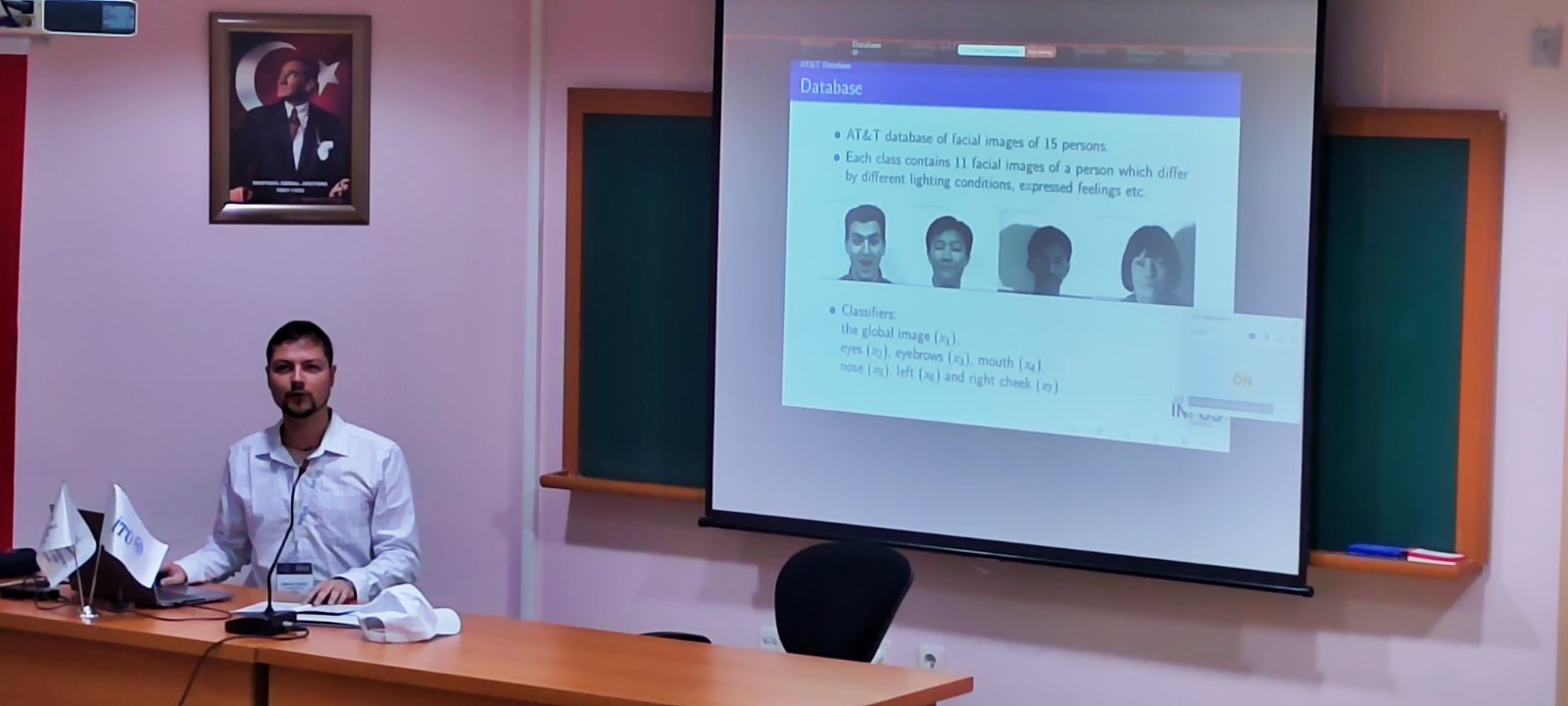
Title of Paper: Application of Fuzzy Integrals Based on c-Credibility Measures in Image Processing
Authors: N. Ralević, A. Blesić, B. Iričanin, M. Paunović
Abstract: Aggregation functions can play a very important role in decision-making theory, and integrals based on fuzzy measures are one such example. Among the most famous are Sugeno and Choquet integrals. Also, from credibility theory comes a class of fuzzy measures, so-called credibility measures. This paper establishes some new properties of the c-credibility measure and the construction procedure of such a measure on a given set, based on the Extension theorem of credibility. Some generalizations of this measure can be used to define a new fuzzy integral based on it. We consider some properties of this integral, such as e.g. preservation of order and properties of additivity. Such integrals can serve as an aggregation of some measures of similarity of parts of an object, thus giving an answer as to whether the object under consideration is similar to another composed of parts of the same type. In some earlier works, the similarity of the images of two faces was analyzed with rega rds to the measurements of the appropriate parts. The efficiency of this method is compared with similar methods on selected image databases while varying the parameters that define the new integral.
AMSCE 2025
Paris, France
April 14-16
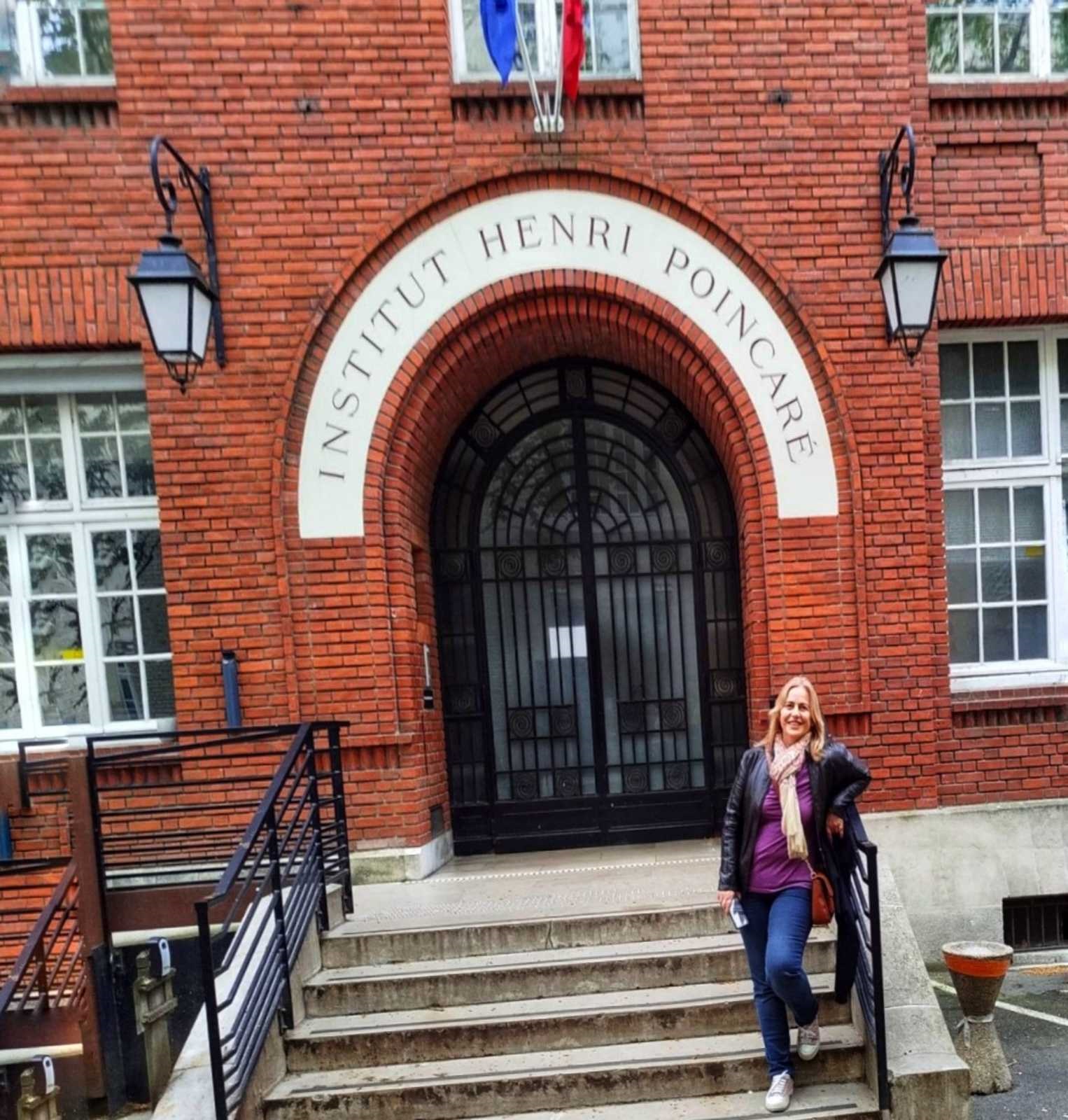
Title of Paper: The Further Studies of the c −credibility Measure in Fuzzy Environment
Authors: M. V. Paunović, N. M. Ralević, D. Ćebić, A. Savić
Abstract: Actuarial assessments in insurance are inherently subjective due to various factors, including data limitations and the complexity of problems. Fuzzy mathematics and credibility theory provide robust frameworks to manage this subjectivity and uncertainty. Uncertain future events are closely linked with the credibility theory. This paper extends the properties of c−credibility measure. We generalized this measure in fuzzy environment and proved some properties of this measure. Those properties will provide more practical applications of the c−credibility measure of fuzzy events, especially in the context of insurance.
COAST 2025
Herceg Novi, Montenegro
June 04-07
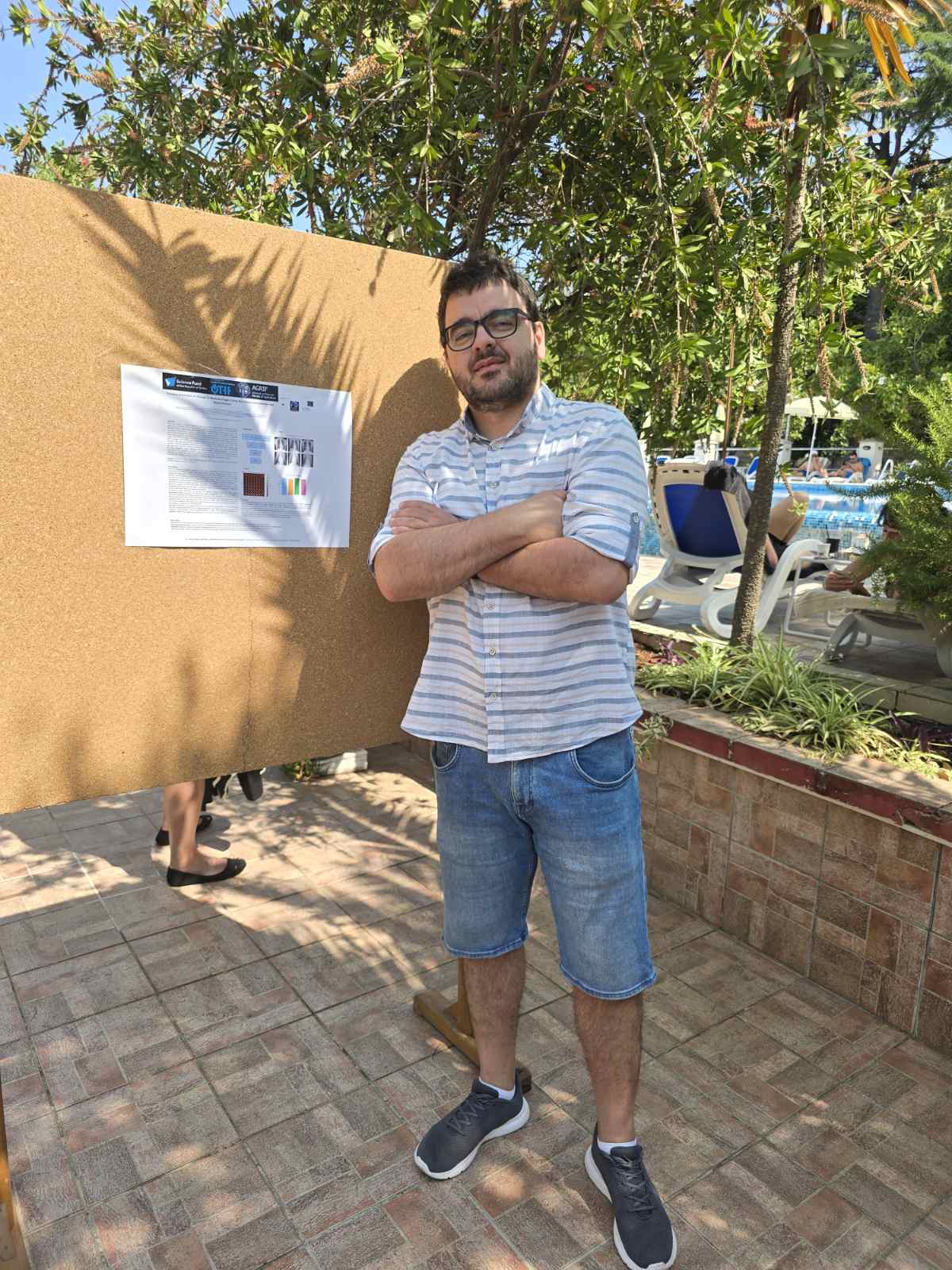
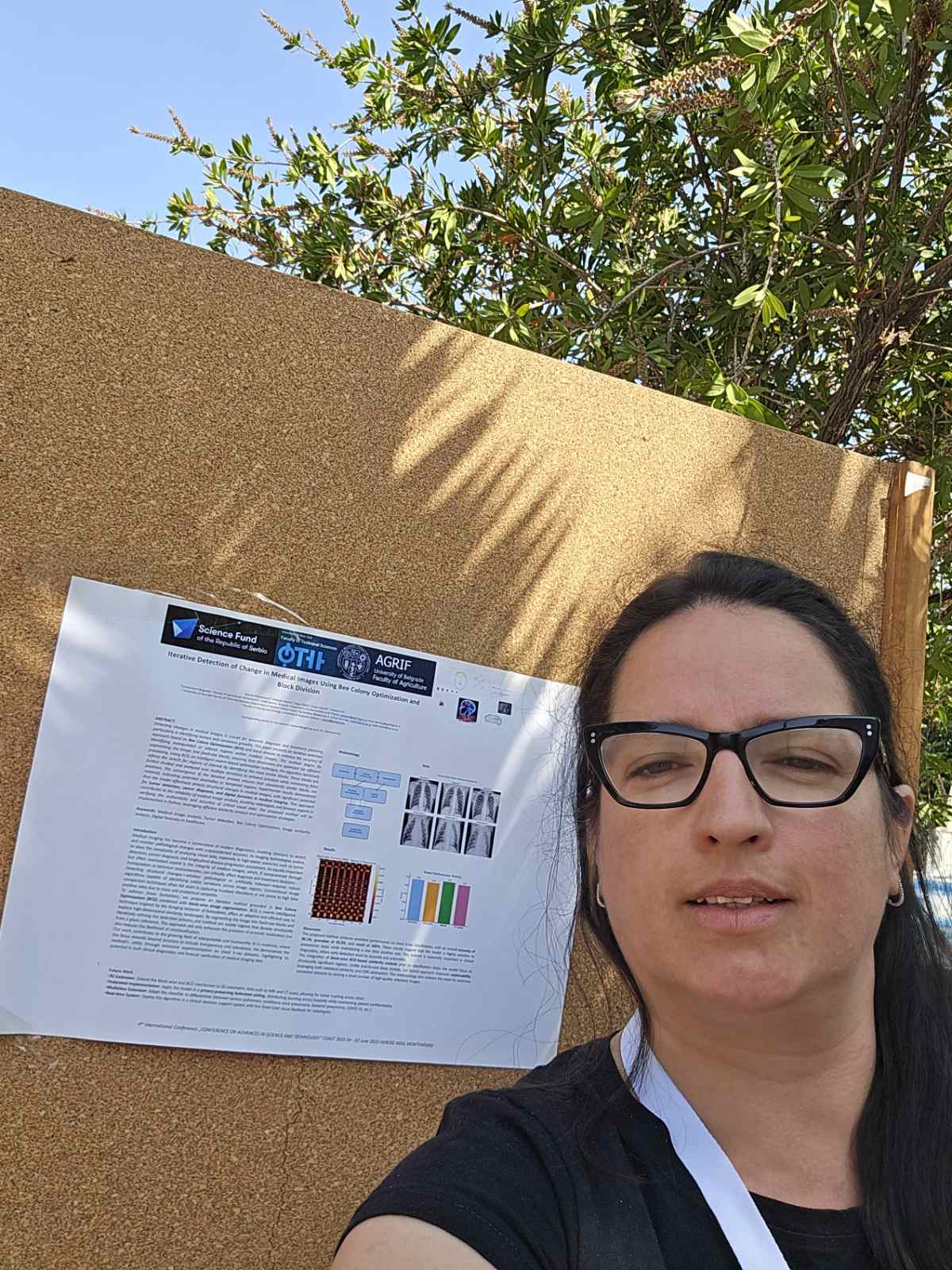
Title of Paper: ITERATIVE DETECTION OF CHANGE IN MEDICAL IMAGES USING BEE COLONY OPTIMIZATION AND BLOCK DIVISION
Authors: N. Milosavljević, N. Ralević, D. Ćebić, D. Denčić, V. Ilić
Abstract: Detecting changes in medical images is crucial for accurate diagnosis and treatment planning, particularly in identifying tumors and cancerous growths. This paper presents an iterative detection approach based on Bee Colony Optimization (BCO) and block division to enhance the accuracy of identifying manipulated or altered regions within medical images. The method begins by segmenting the image into fixed-size blocks, ensuring that dimensions are optimized for efficient processing. Using BCO, an intelligent swarm-based optimization technique, the algorithm iteratively refines the search for regions of interest by identifying the most similar blocks. These blocks are further divided and analyzed over multiple iterations to enhance precision while minimizing false positives. The convergence of the iterative process ensures that consistently similar blocks are retained, indicating potential anomalies or tampered regions. Experimental results demonstrate that the model effectively detects structural changes in medical images, with significant potential for tumor detection, cancer diagnosis, and digital forensics in medical imaging. This approach contributes to the reliability of medical image analysis, assisting radiologists and forensic experts in verifying the authenticity and accuracy of critical visual data. The proposed method will be implemented in Python, leveraging efficient similarity analysis and optimization strategies.
INFUS 2025
Istanbul, Turkey
July 29-31
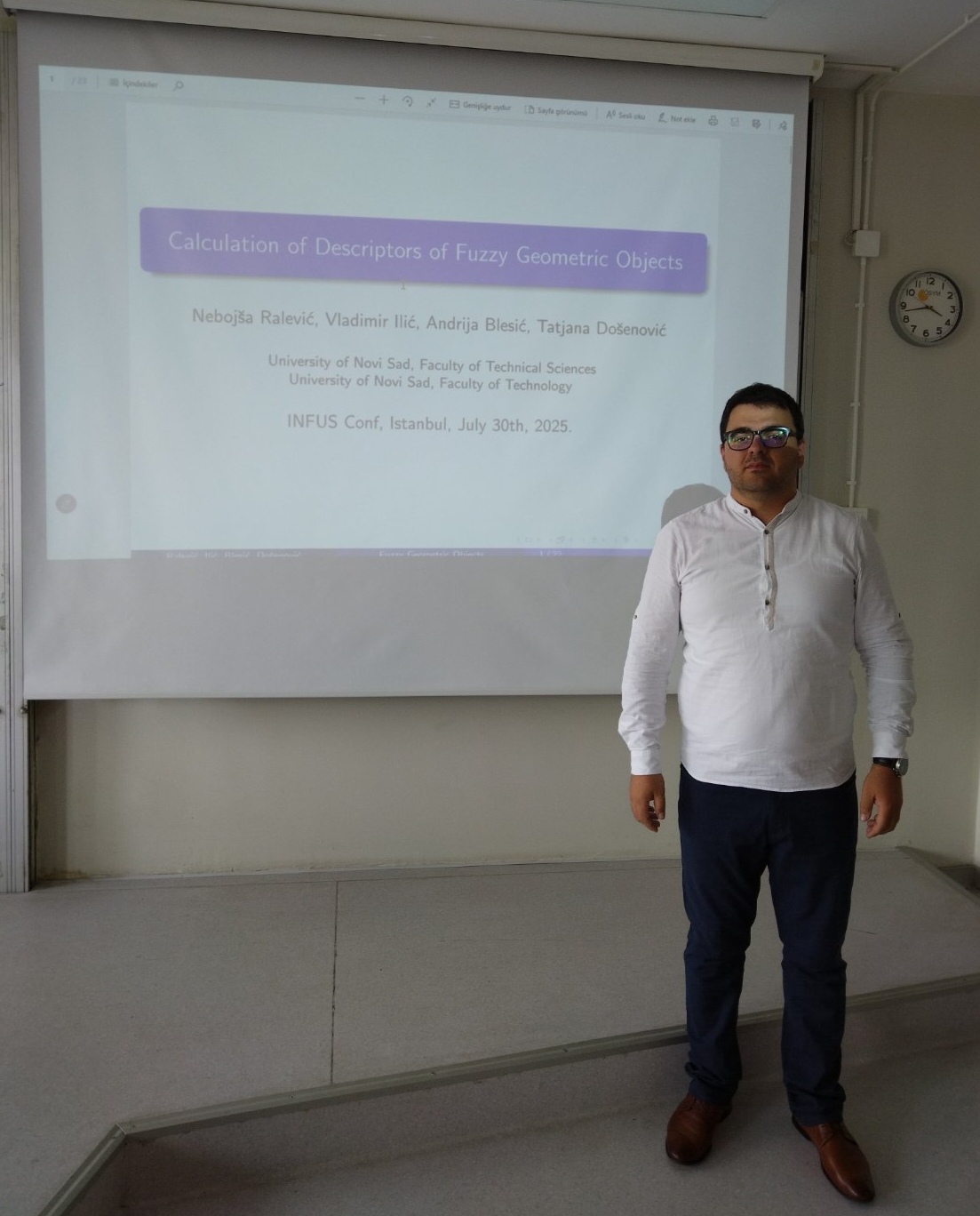
Title of Paper: Calculation of Descriptors of Fuzzy Geometric Objects
Authors: N. Ralević, V. Ilić, A. Blesić, T. Došenović
Abstract: The paper discusses the basic concepts of fuzzy analytic geometry, such as fuzzy point, fuzzy line, fuzzy curve and polygons in the plane, together with the concept of fuzzy distance. There are several different definitions of such concepts in the literature to date. In this paper, we will follow an approach based on the extension of existing concepts in the sharp case. In addition, we consider various fuzzy shape descriptors and their associated measures, such as area, perimeter or elongation, which can be considered in both the sharp and fuzzy approaches. The properties of the new descriptors and their applicability in object recognition and classification tasks are also discussed.
Sym-op-is 2025
Palić, Serbia
September 07-10
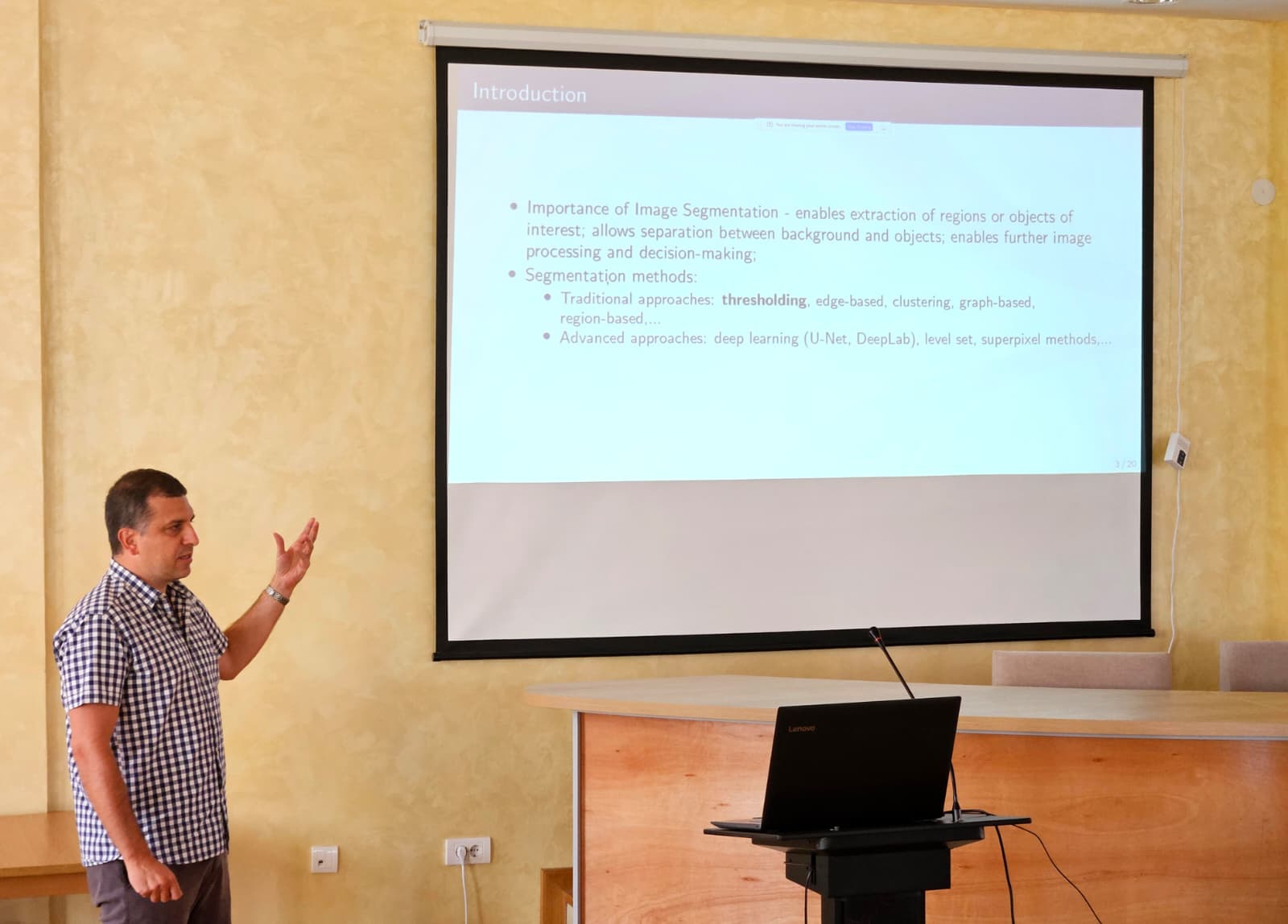
Title of Paper: VARIANTS OF THE MINIMUM ERROR THRESHOLDING METHOD FOR IMAGE SEGMENTATION
Authors: D. Ćebić, N. M. Ralević, N. Milosavljević
Abstract: Image segmentation is an important problem because it enables meaningful partitioning of an image and extraction of relevant structures and features, facilitating further processing and decision-making. Various approaches have been proposed to address this problem, with one of the simplest and most commonly used being segmentation based on thresholding. This research relies on the classic and well-known Minimum Error Thresholding (MET) method, specifically employing a simple idea of linearly combining the MET method with its median-based extension, creating three modifications of MET method in order to improve thresholding results in terms of quality coefficients such as Mean Square Error (MSE) and Structural Similarity Index Measure (SSIM). Several experiments on some standard gray-level images have demonstrated that the proposed modifications improve segmentation performance, as confirmed by MSE and SSIM indices.
SISY 2025
Subotica, Serbia
September 25-27
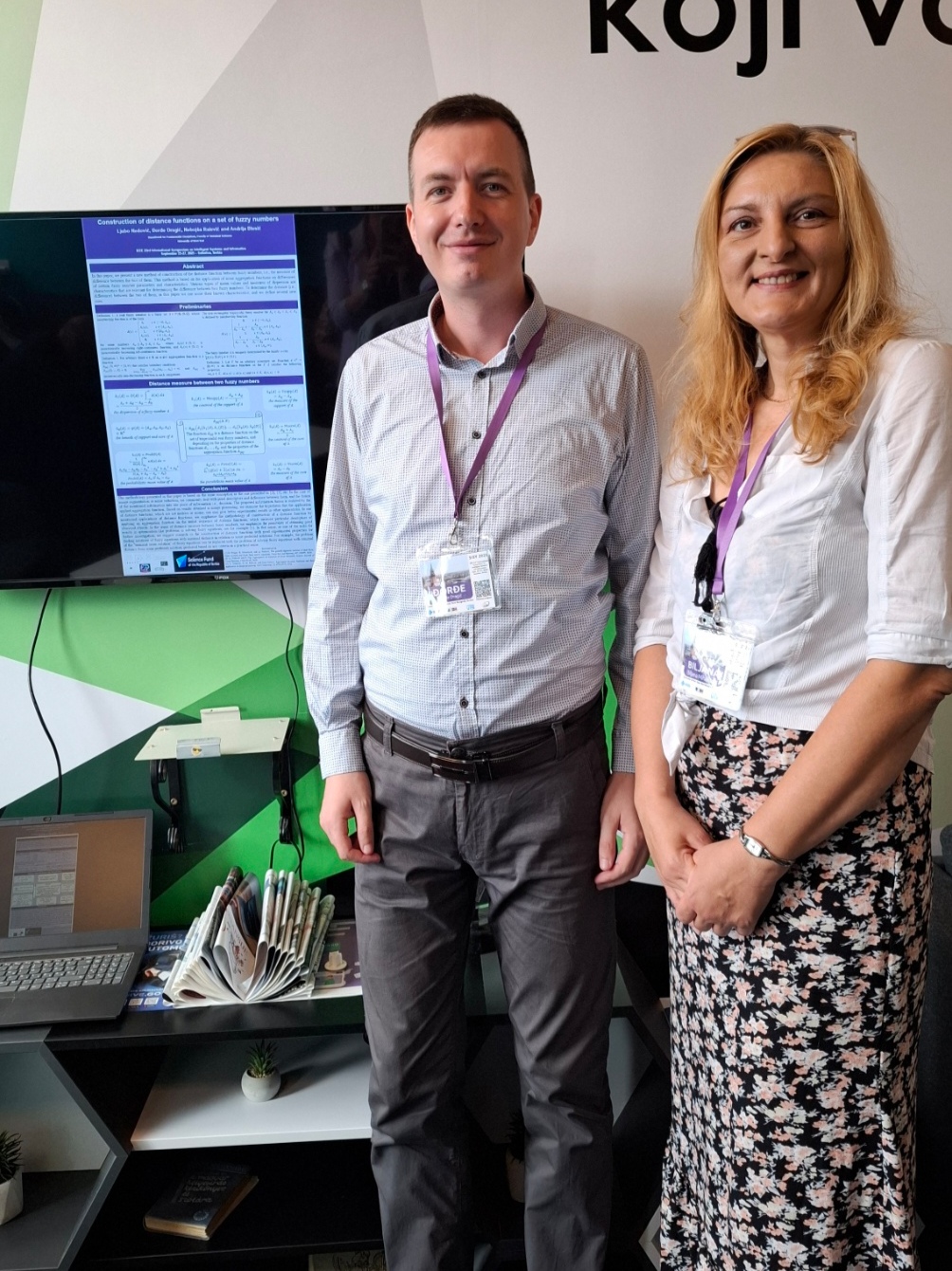
Title of Paper: Construction of distance functions on a set of fuzzy numbers
Authors: Lj. Nedović, Đ. Dragić, N. Ralević, A. Blesić
Abstract: In this paper, we present a new method of construction of the distance function between fuzzy numbers, i.e., the measure of difference between the two of them. This method is based on the application of some aggregation functions on differences of certain fuzzy number parameters and characteristics. Various types of mean values and measures of dispersion are characteristics that are relevant for determining the difference between two fuzzy numbers. To determine the distance (i.e., difference) between the two of them, in this paper we use some their known characteristics, and we define several new ones.